I Know What It’s Like to Fall Apart on the Inside: Why Trauma-Informed Care Matters
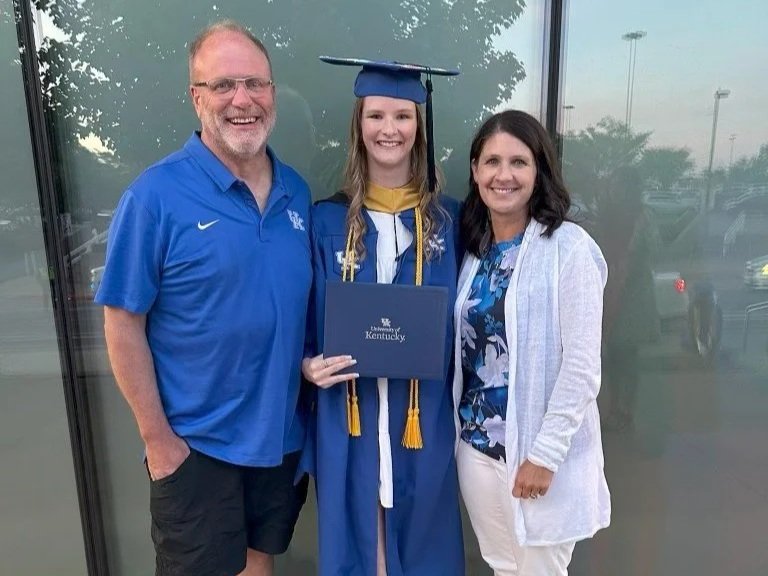
The trauma I experienced at fifteen shaped the way I notice, respond to, and support the children I work with today. I know what it’s like to carry overwhelming pain silently—to look composed while falling apart inside.
When I was 15, my life changed forever.
It was Friday, January 13, 2017. My mom was traveling, and my sister and I were staying with our dad. After school and softball practice, my sister picked me up because Dad wasn’t feeling well. When we got home… he was gone.
For the first time, I felt completely out of control. I struggled to express my emotions. I lost my love for softball. College felt meaningless. Life was blurry—my mind protecting me from the full weight of grief.
Eventually, I moved forward. I played softball in college and attended Kentucky Christian University, where my faith grew through chapel and Bible classes. A Spiritual Gifts Survey showed “mercy-showing” as one of my top gifts. That insight led me toward counseling.
Studying mental health helped me understand my own trauma and the ways it shapes the brain, body, and behavior. Today, as a therapist at All God’s Children, I see how trauma can show up as anger, silence, or withdrawal. I know what it feels like to seem fine on the outside while everything inside feels broken. That understanding guides me to approach children with patience, empathy, and care.
Research supports this. The CDC shows that Adverse Childhood Experiences (ACEs) can have long-term effects—but protective factors like safe, consistent relationships can dramatically change a child’s future.
At All God’s Children, we don’t ask, “What’s wrong with this child?” We ask, “What has happened to this child?” Safety, consistency, and trust are critical. That’s why we use Trust-Based Relational Intervention (TBRI), an evidence-based approach focused on connection, correction, and empowerment—helping children move from survival to growth and healing.
The day my dad passed was a turning point. Now, I aim to be the steady presence I once needed. My goal is to offer children care, understanding, and safety—so they can begin to trust, regulate, and heal.
Trauma does not have to define a child’s future. With patience, consistency, and compassionate care, children can move from fear into trust, growth, and purpose.