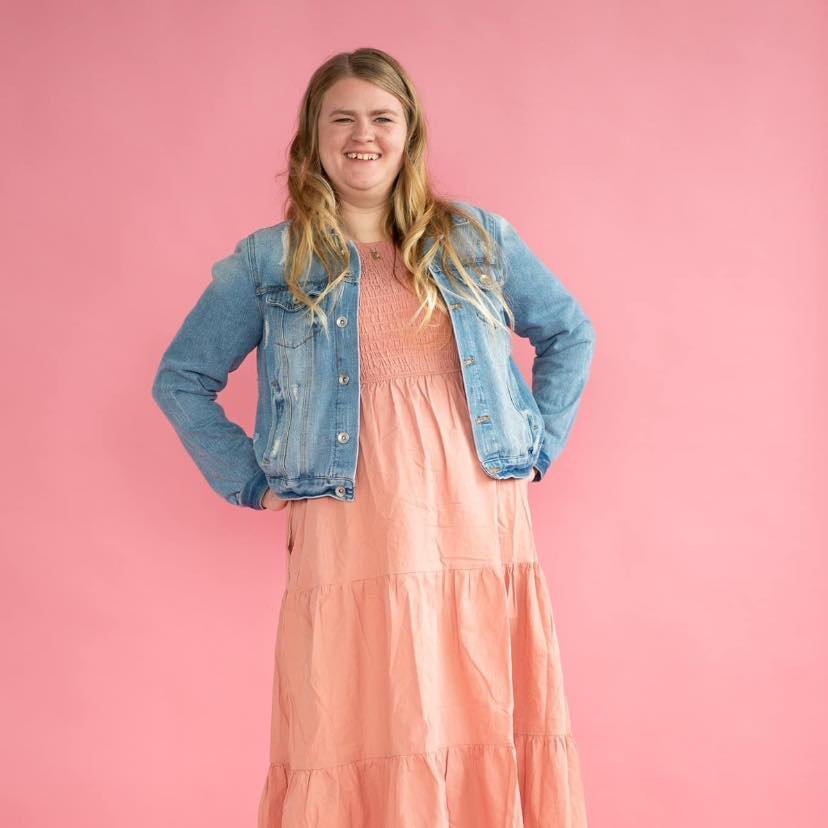
The Village Behind Foster Care
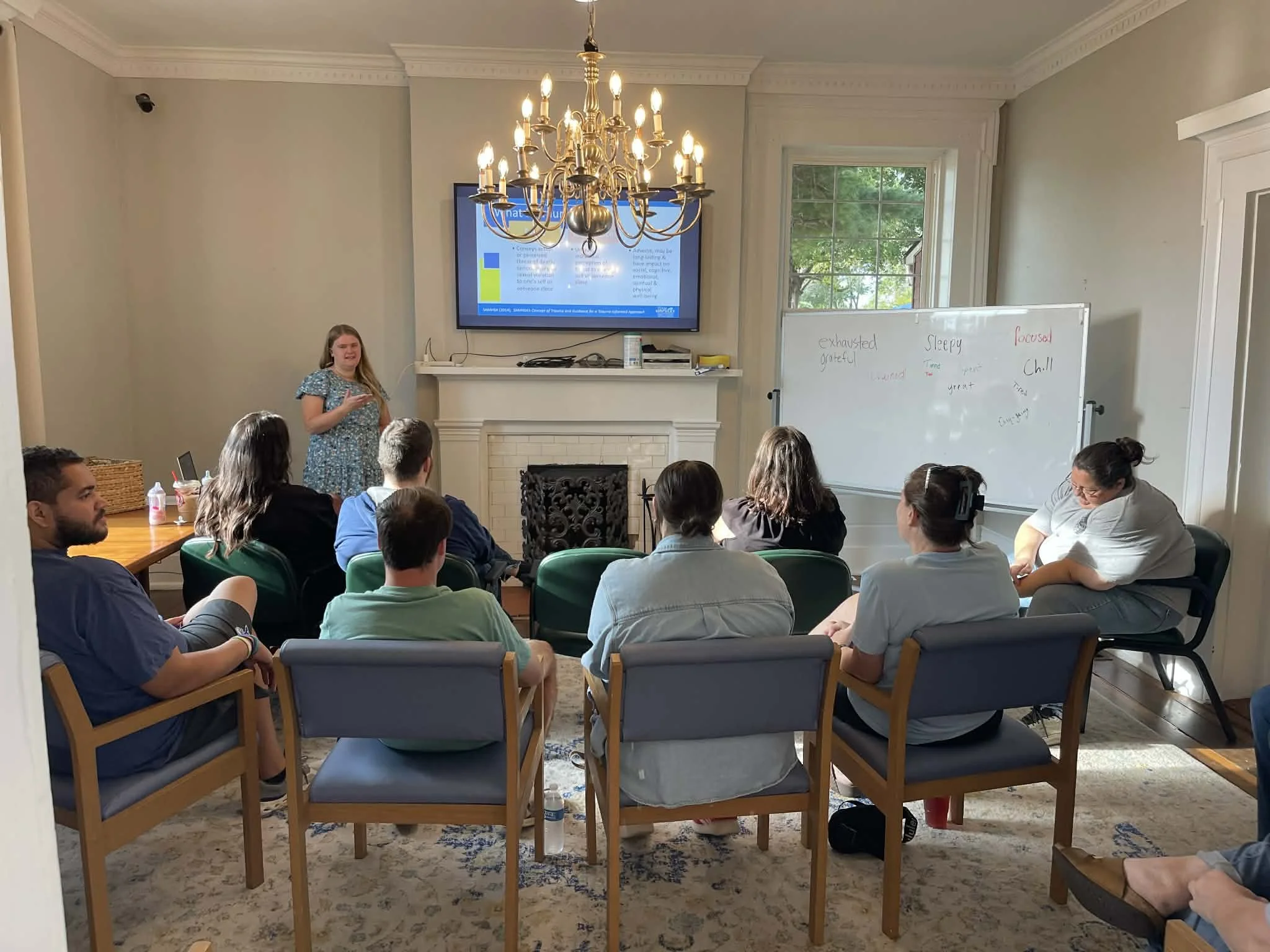
Alycia teaching at our foster family support group
I’m the Foster Family Liaison at All God’s Children, and the most common question I get is: “What is a liaison?”
To be fair—I had to look it up when I started, too.
A liaison is someone who connects groups of people and helps information flow between them.
So in simple terms, I build relationships between foster families and the networks that support them.
Where This Passion Began
Long before I moved to Kentucky from Wisconsin, I saw the need for better support systems for families.
That realization is personal for me.
My parents were just 15 and 18 years old when they had me. My original connection to All God’s Children came through the support they offer teenage mothers—support my own family could have used.
I grew up watching my parents raise me in the midst of trauma and chaos in the inner city. Looking back, my life was marked by vicarious trauma—the kind you witness, even if you don’t directly experience it.
I remember:
A girl in our neighborhood being hit by a school bus
Another girl we brought to church who went missing—and is still missing
Friends losing parents far too soon
And yet, much of that trauma didn’t touch me directly. I was protected—largely because of my family and the way they were respected in our community.
What I Saw in Our Home
Our home became full of other kids.
At the time, I just thought it was fun.
Later, through social work, I realized something deeper: Those kids were coming because they didn’t have stable or healthy homes. They were looking for safety. For consistency. For love.
They found it in my family.
The Gap I Couldn’t Ignore
As much as I saw the beauty of what my parents gave, I also saw what they didn’t have in healthy support systems, financial guidance, community encouragement and tools to process their own trauma
That contrast stayed with me.
It sparked a desire not just to help children—but to support the people who are helping children.
A Widespread Need
As I grew and researched more, I realized my parents’ experience wasn’t unique.
There’s a common assumption that people who help others—foster parents, adoptive families, community leaders—have everything together.
But that’s simply not true.
The reality is: Everyone needs support.
What Foster Families Are Carrying
Every week, I talk with foster parents navigating incredibly complex situations that include caring for children who have experienced deep trauma, managing big emotions in their home, balancing the needs of multiple children, keeping up with everyday responsibilities like work, school, and schedules, and they’re doing all of this out of the goodness of their hearts.
Foster families aren’t just opening their homes—they’re carrying a weight most people never see.
They need support—not just to continue helping others, but to stay healthy themselves.
Why My Role Exists
That’s where my role—and All God’s Children—comes in.
We exist to step in and support families like mine… and families like the foster parents I serve today.
This has been incredibly meaningful work for me—because it brings to life ideas I’ve carried for years about how to care for those who care for others.
Here’s what that support looks like:
Monthly support groups during the school year
Volunteers delivering meals
People helping clean homes
Certified babysitters for foster families
Encouragement during the hardest days
A Simple Invitation
When you see a family helping others, don’t assume they have it all together behind the scenes.
Step in.
Offer a meal.
Send a message.
Lend a hand.
And if you’re looking for a way to get involved, consider joining us at All God’s Children. You can make a real difference—whether it’s dropping off a meal or simply offering encouragement to a foster family who needs it.
Because when we support the helpers,
everyone is stronger.